Campanacci Floris
Campanacci Floris · Tonara
For generations, in Tonara, the art of bell making has had one name: Floris. A tradition of bronze, patience and unique sounds, heard before it's even seen.
In Tonara, a small Sardinian village set in the mountains, the art of bell making has one name: Floris. For generations, this family has carried on a unique craft tradition, built on patience, dedication and a deep knowledge of bronze work. Marco Floris, 34, is now the heir to this long history, passed down from his father Ignazio and shared with his brother Salvatore, who is following the same path.
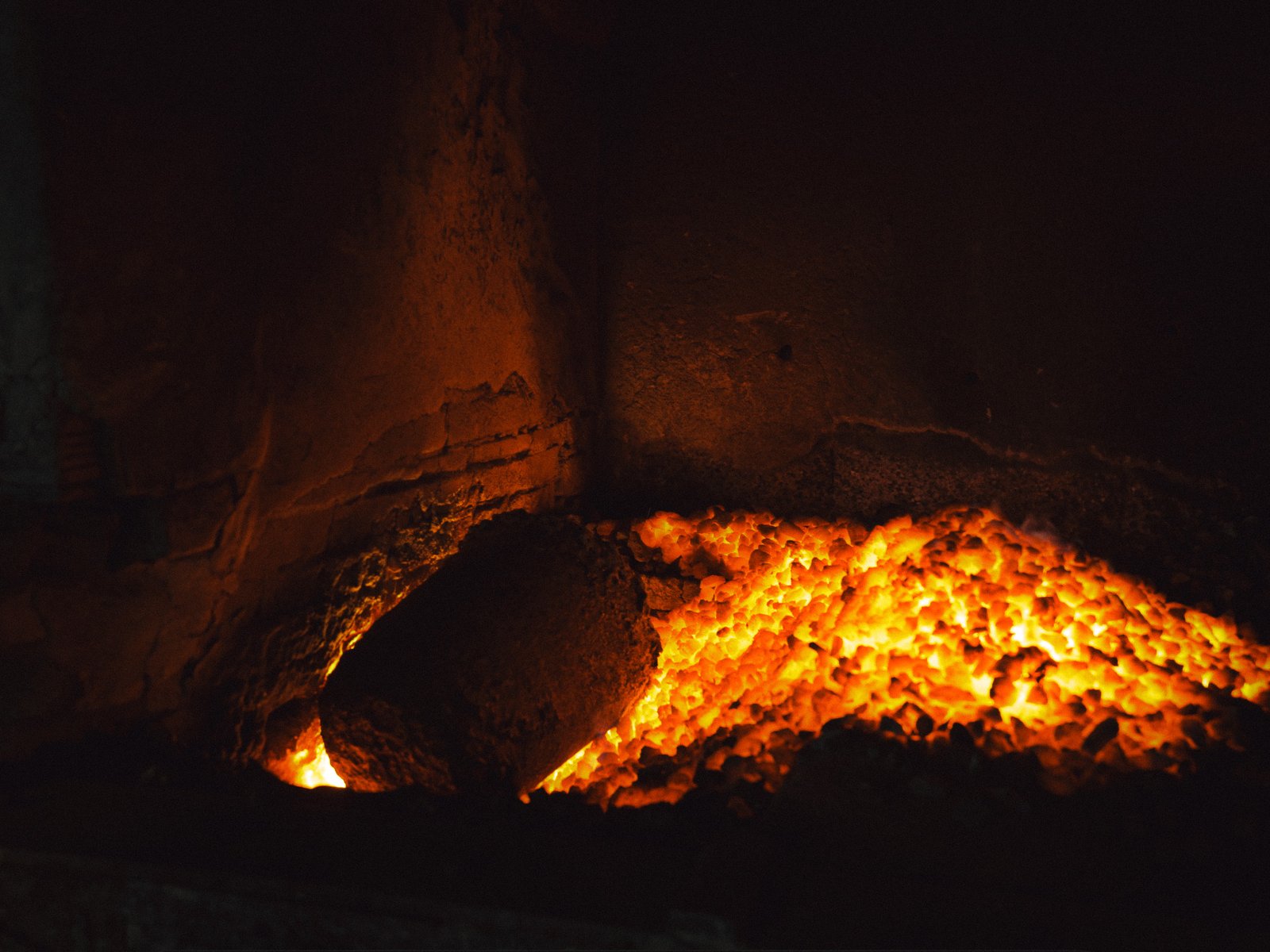
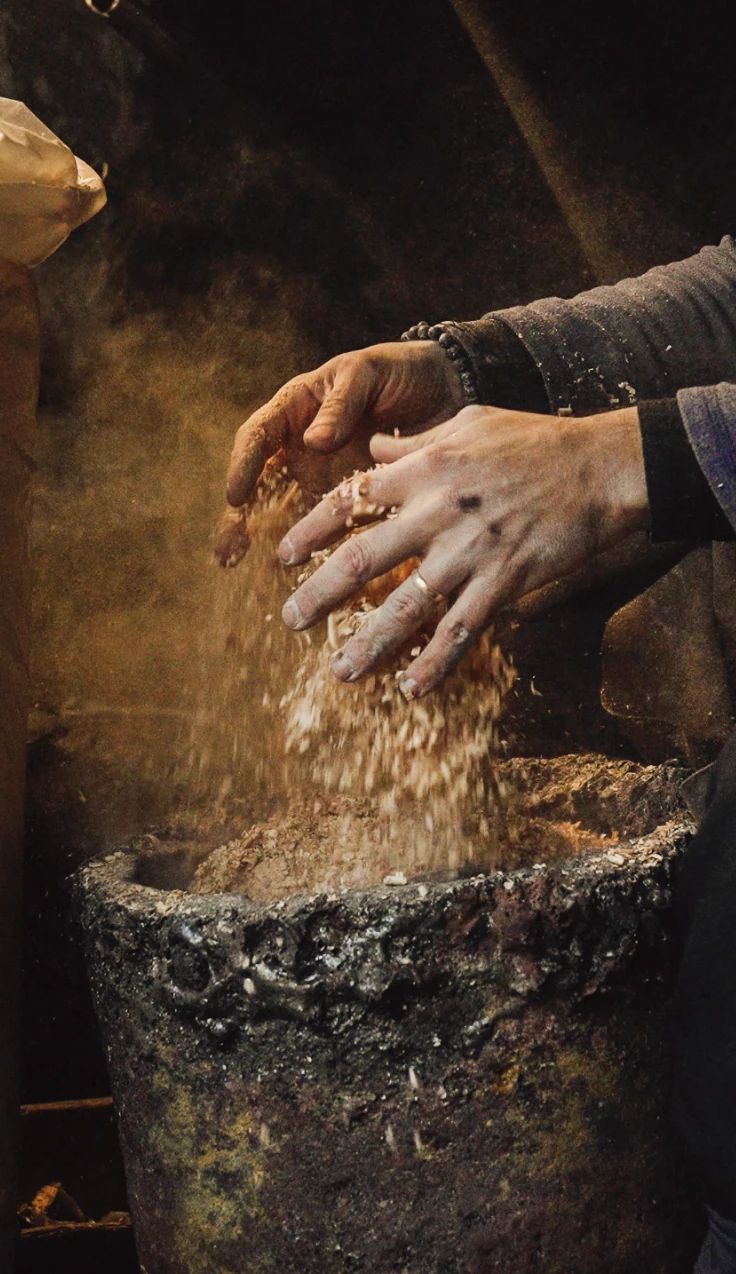
For the Floris family, every bell is not just an object but a living thing, with a unique, one-of-a-kind sound that can identify a flock from a distance. Their production follows a careful process of 26 steps, in which bronze and other metals are turned into sound instruments sought after by herders across Sardinia and beyond.
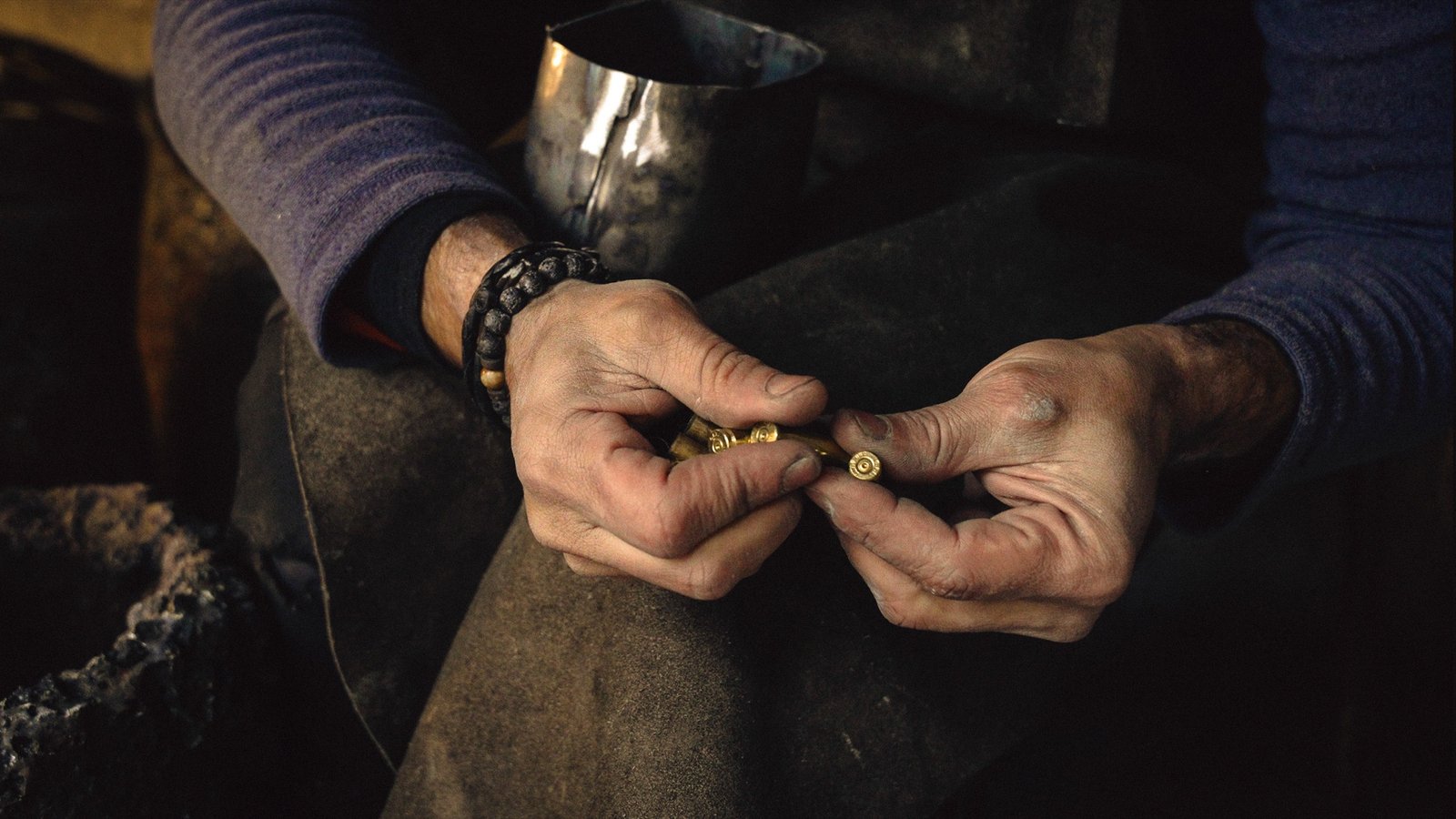
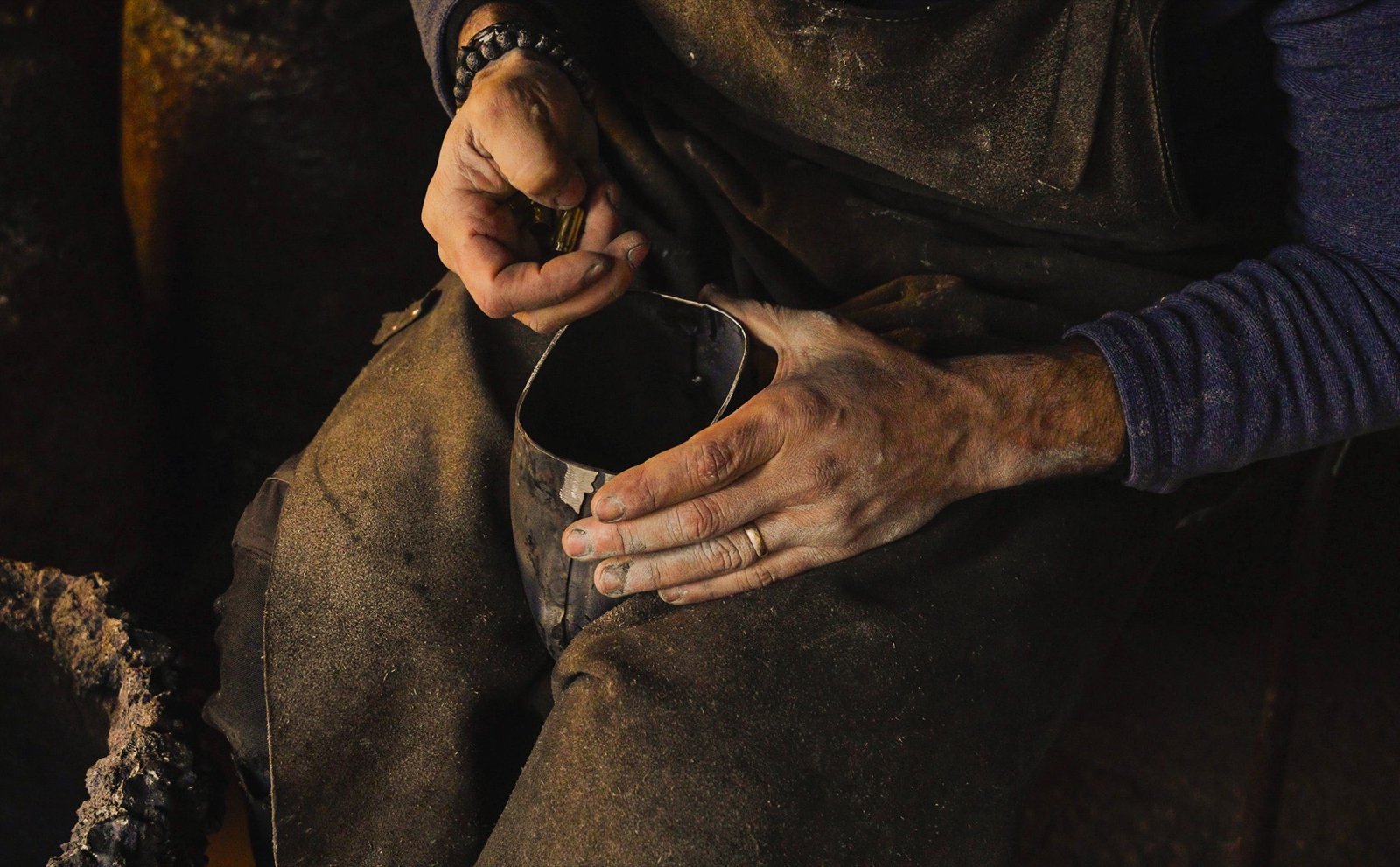
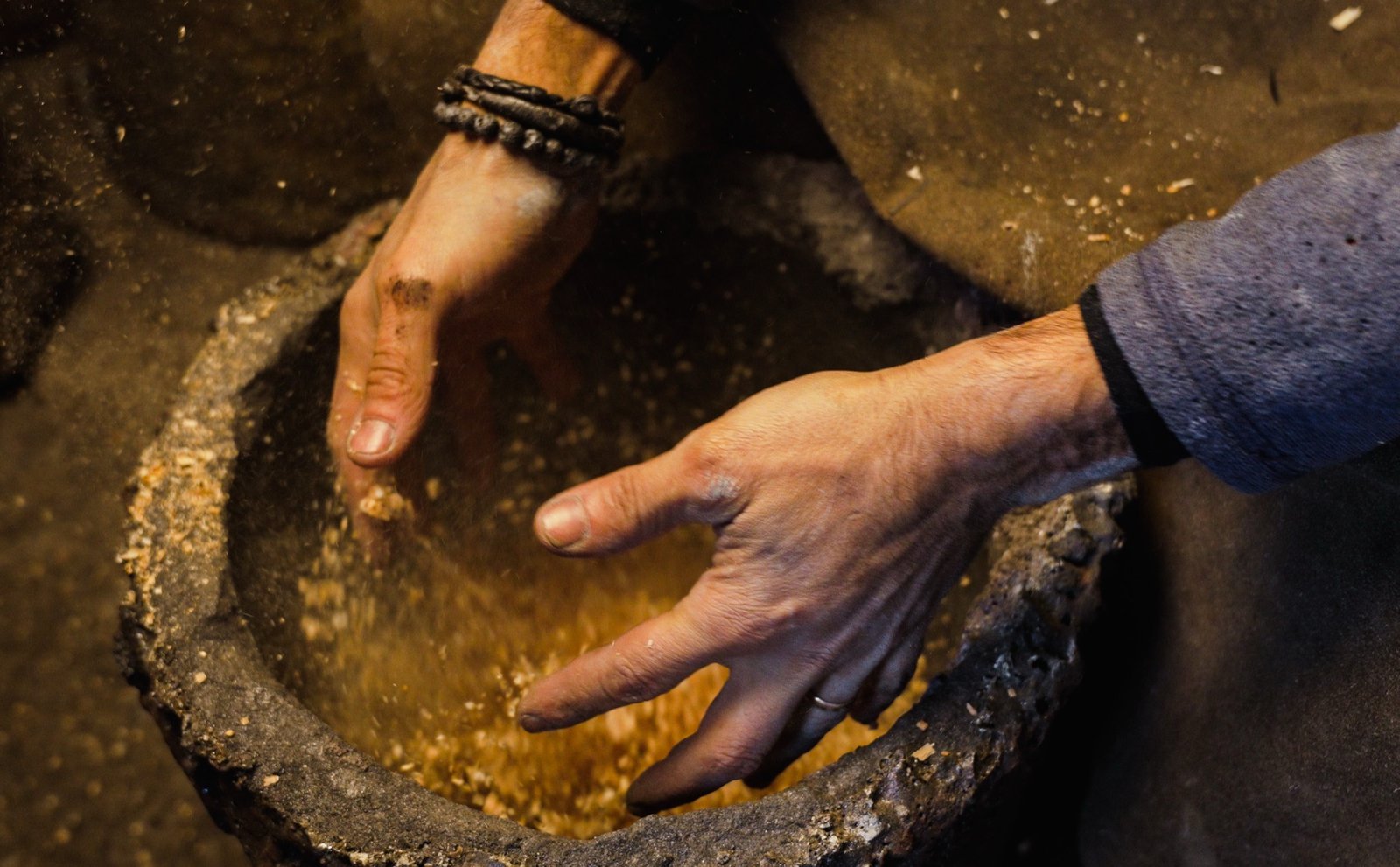
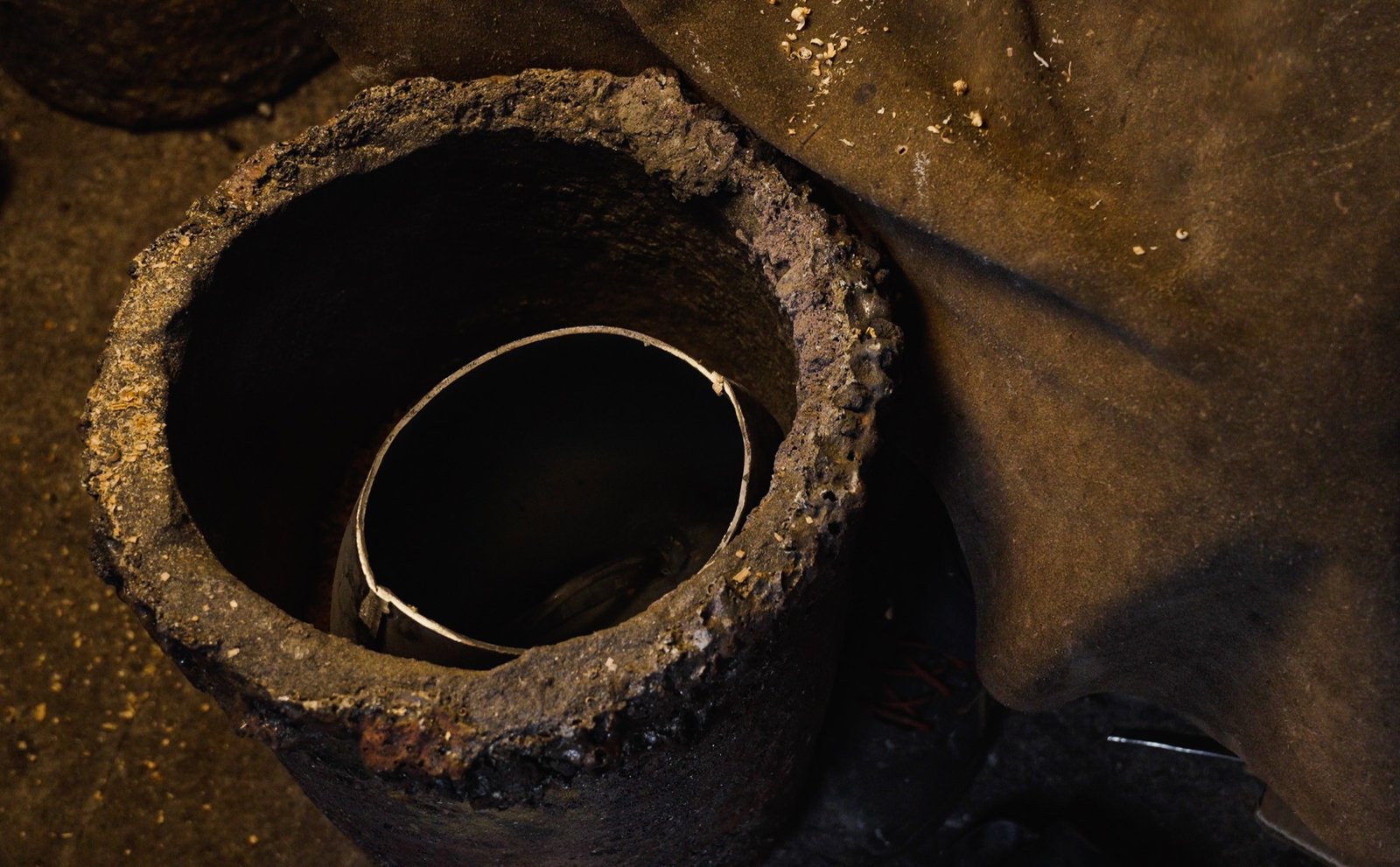
Marco knows the craft takes time and hard work, and that the market often doesn't reward the effort. Even so, growing up immersed in a culture of craftsmanship makes you almost a prisoner of it, tied by an unbreakable thread to a tradition that has lasted more than two centuries.
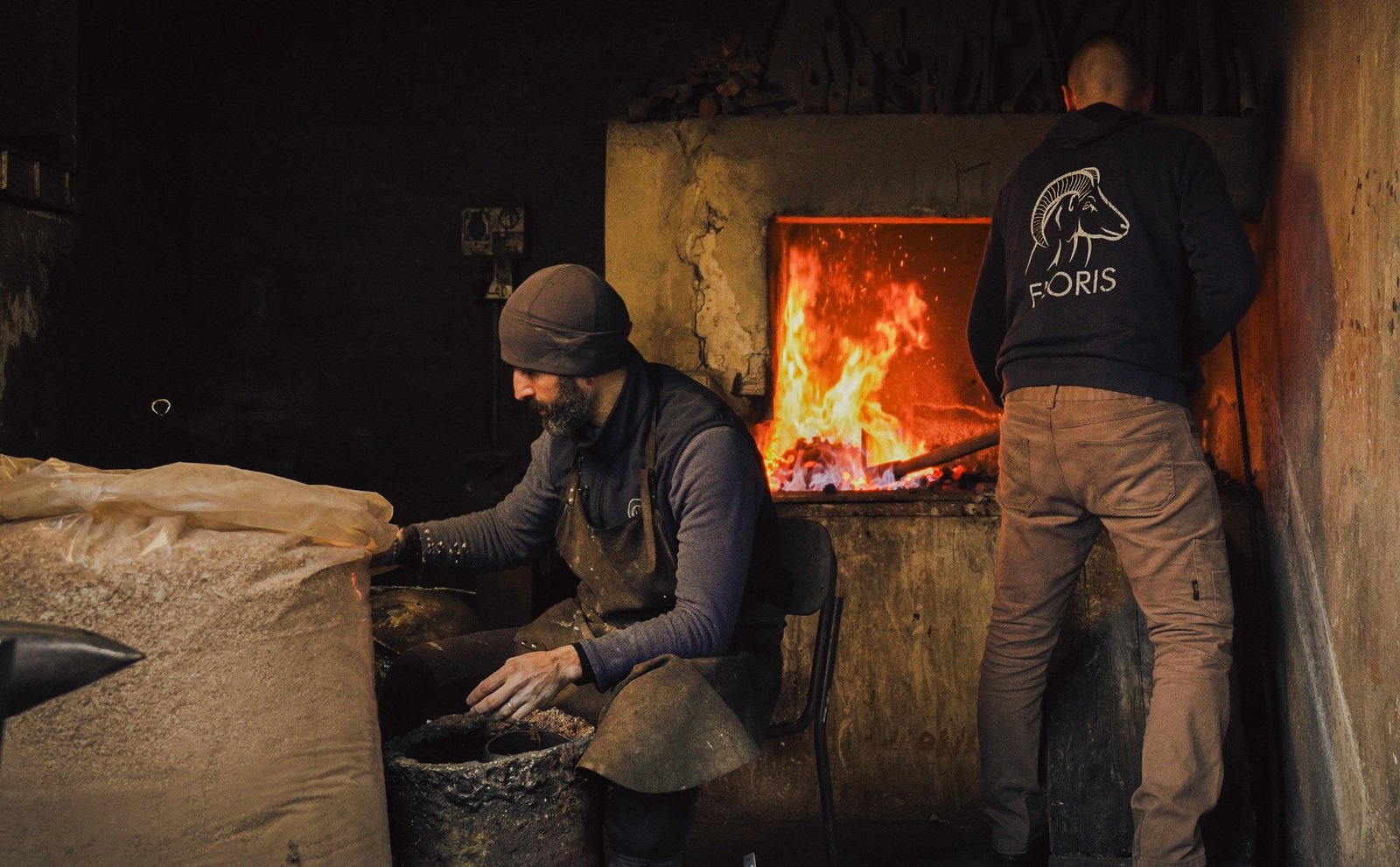
Sardinian shepherds, the main customers of the Floris family, have specific needs: each area of Sardinia calls for bells with a different sound. Shepherds in Desulo prefer tones suited to the mountains, while in the Campidano the needs change depending on the size of the flock and how close other farms are.
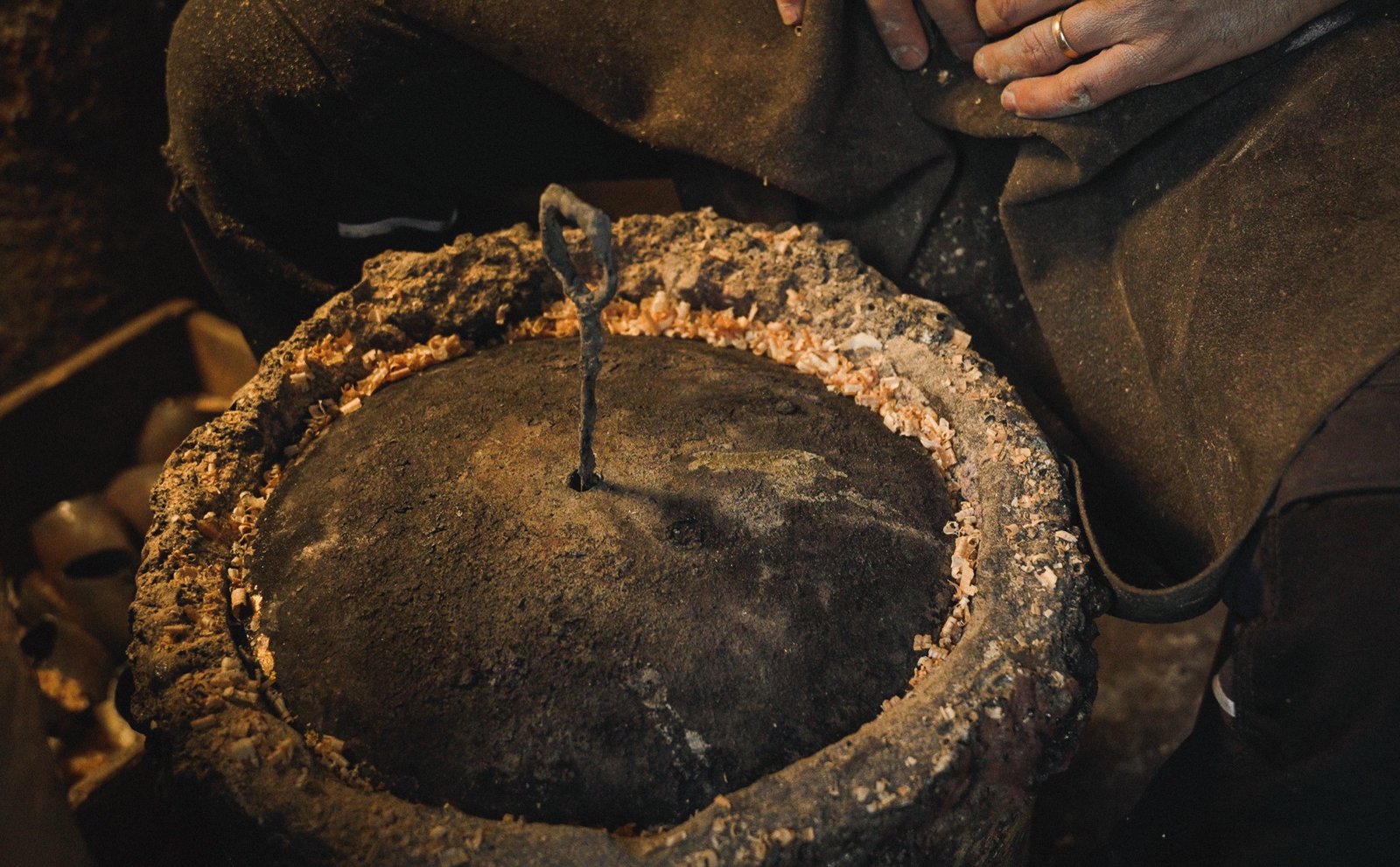
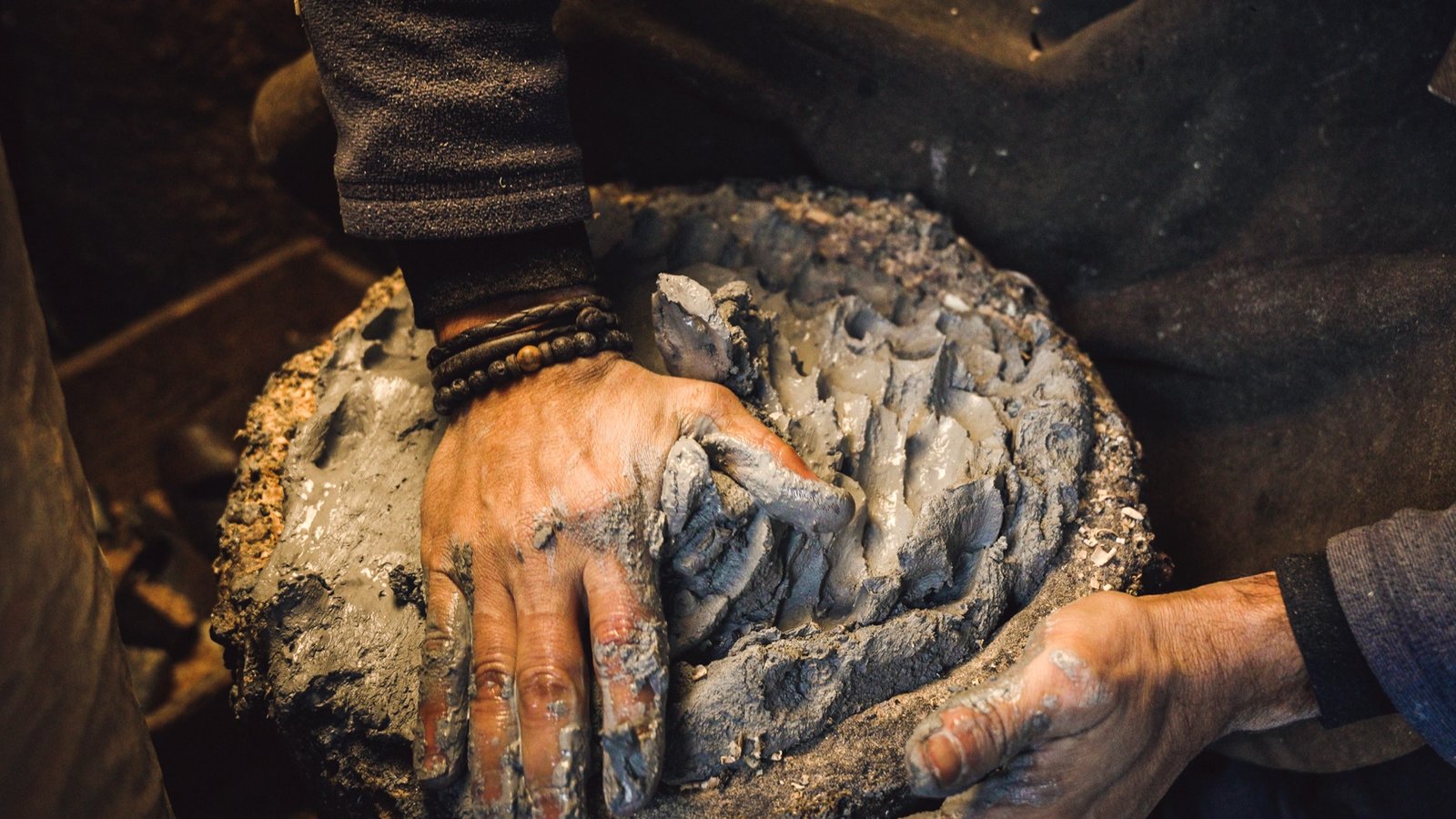
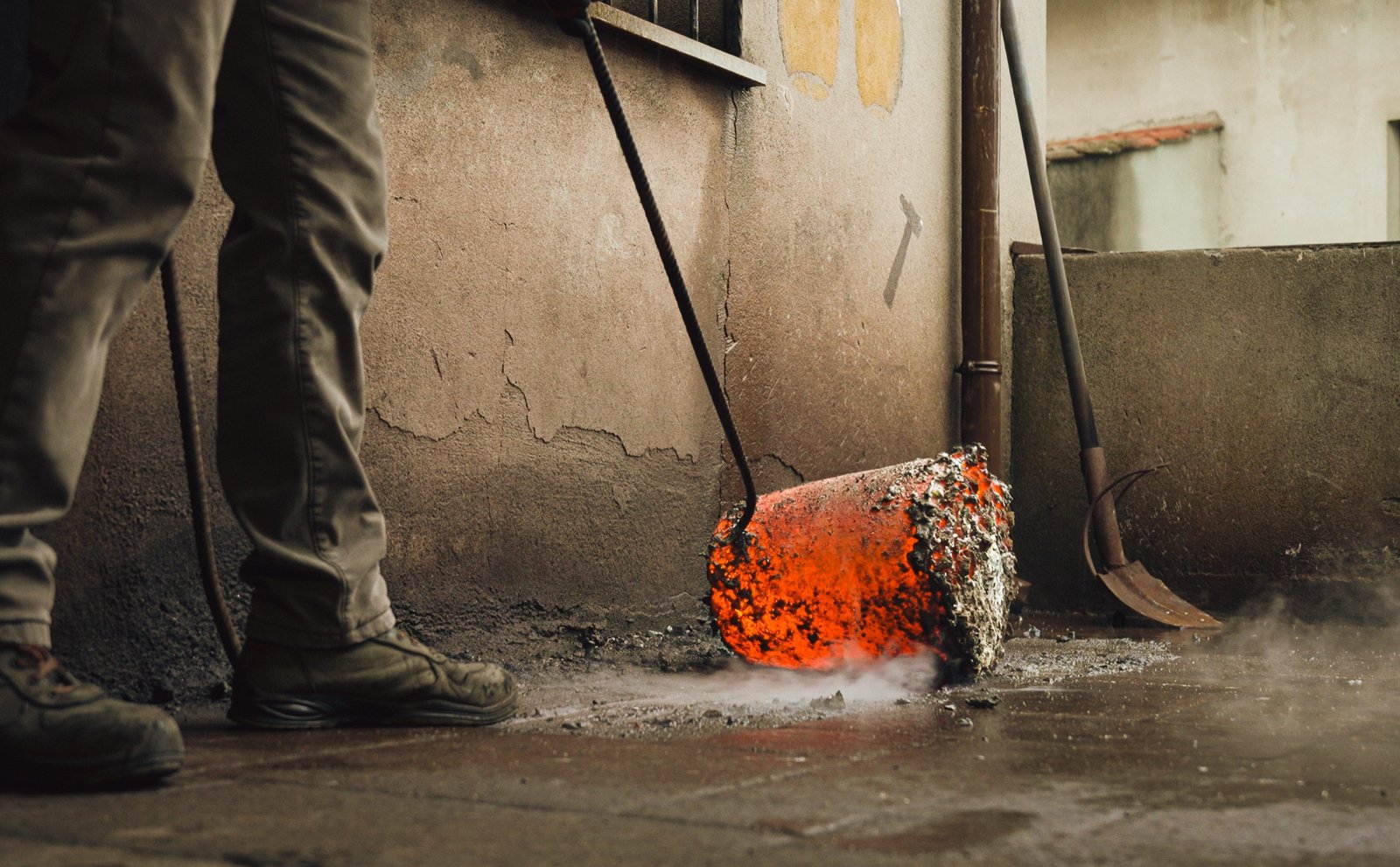
Beyond herding, Tonara's bells also play a key role in traditional Sardinian masks. Each group has its own preferences: the Mamuthones use several pieces arranged in a precise order, while in Ottana larger bells are needed. Fonni, Orotelli and Ortueri each have their own requirements, showing how deeply rooted the Floris family's craft is in Sardinian culture.
The crisis in farming and herding has inevitably affected bell production too. As milk prices have dropped, farmers have less and less to spend on renewing their bells. Even so, the tradition holds on, partly thanks to Sardinian shepherds who moved to other regions of Italy, such as Tuscany, Umbria and Lazio, and who still order pieces made in Tonara.
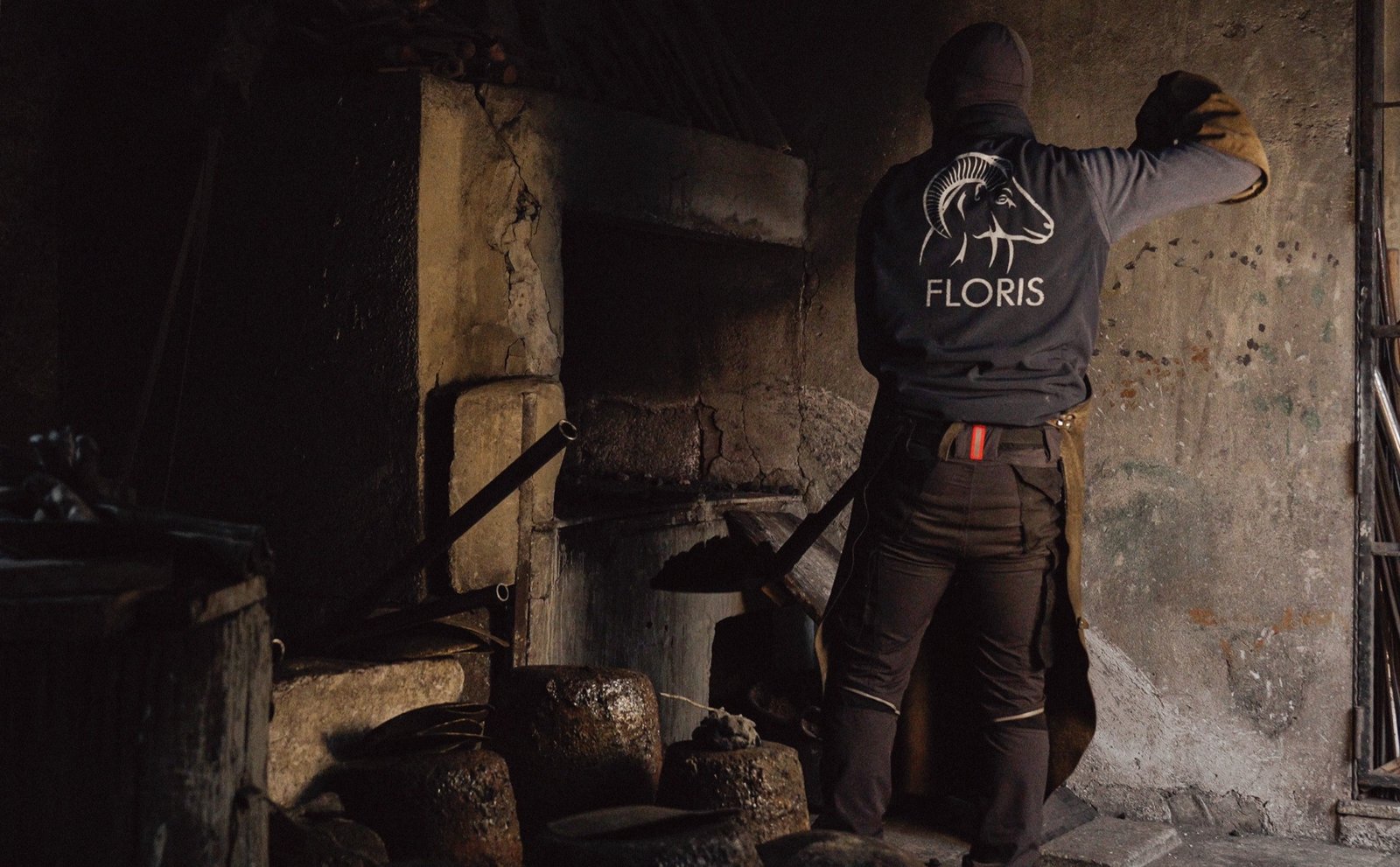
In the past, shepherds paid closer attention to caring for their bells, which, if looked after well, could last a lifetime. Marco Floris points out that it would be good practice to have different bells for summer and winter, greasing and storing them with care, a rule that's often not followed today.
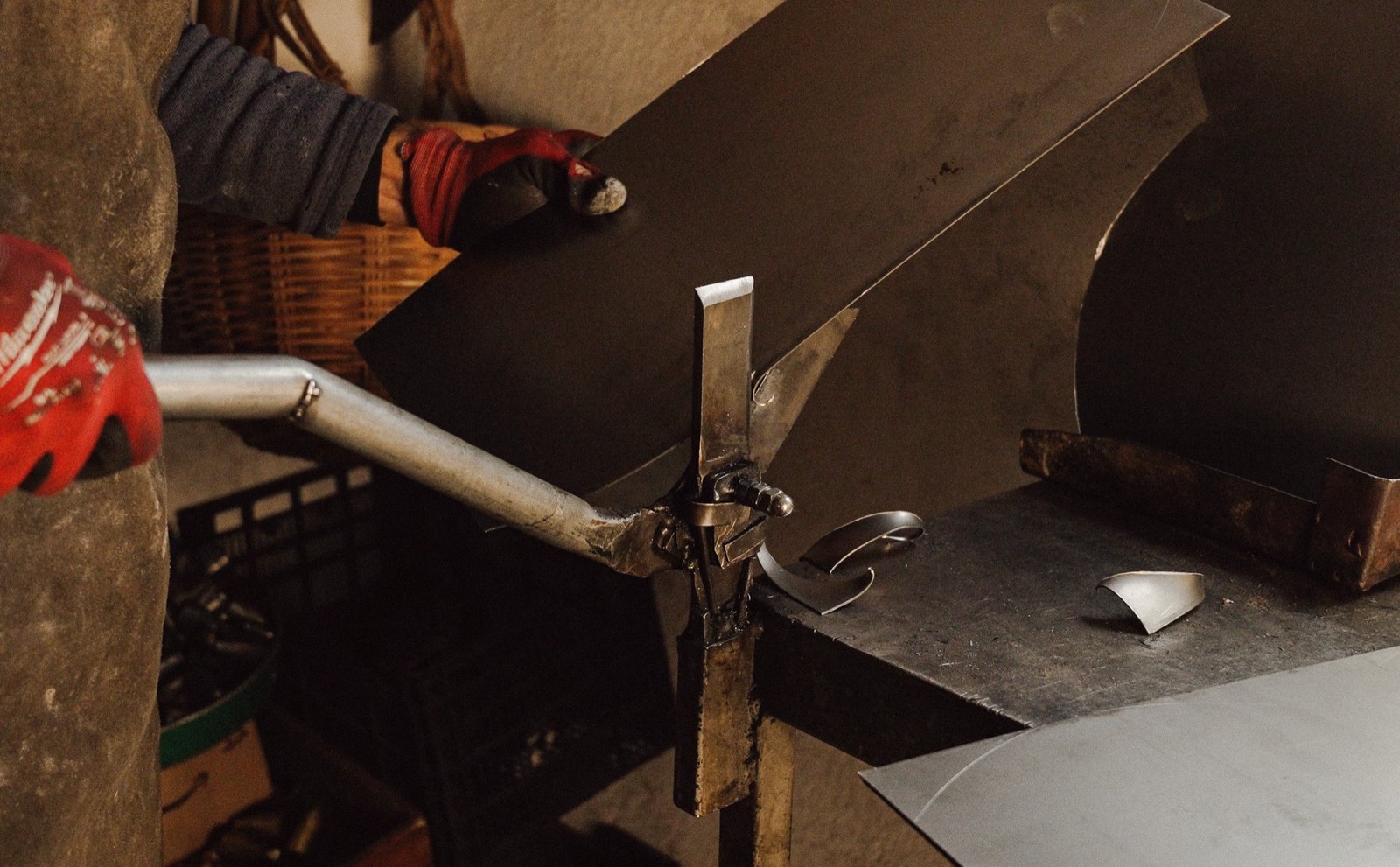
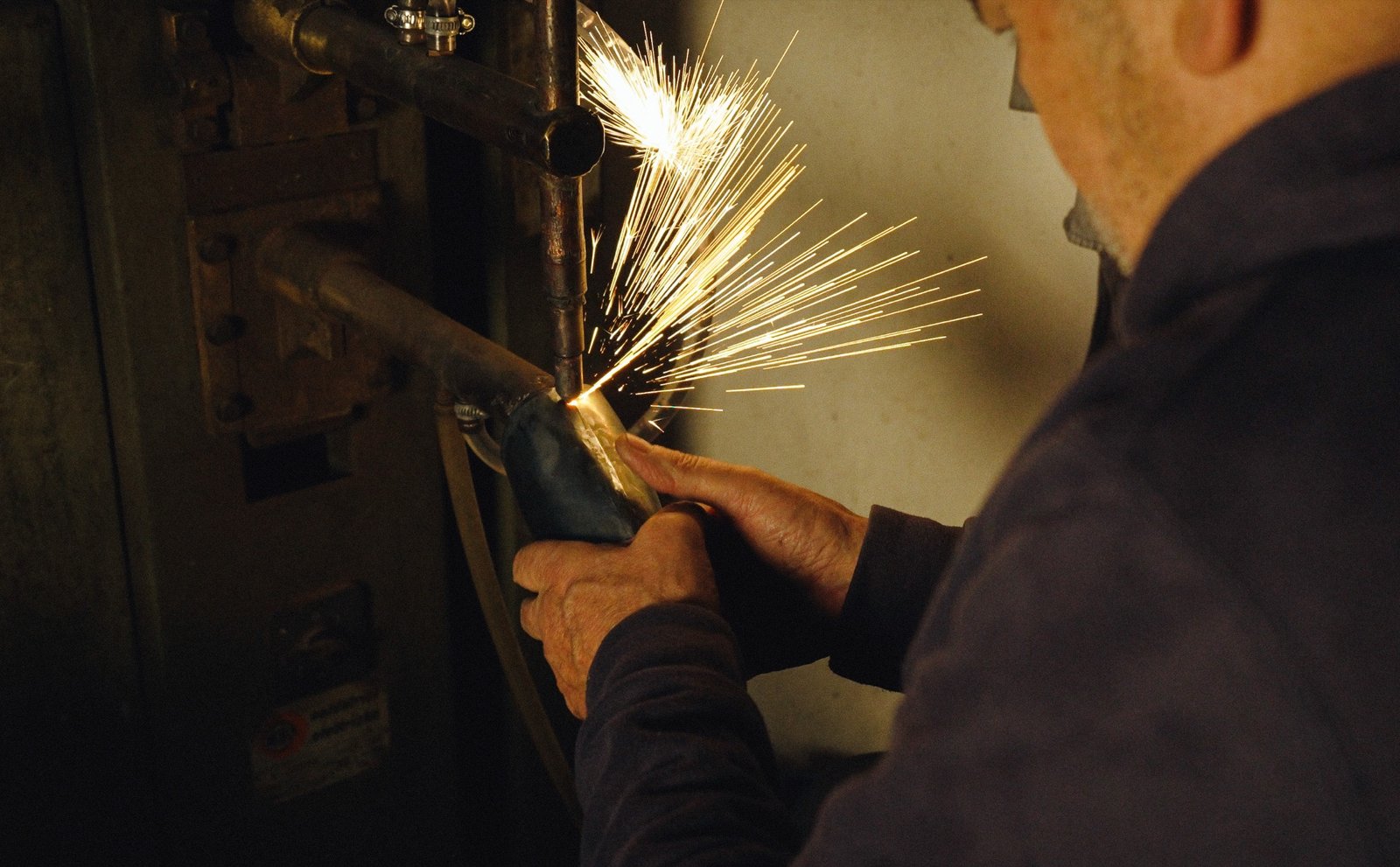
Despite competition from bells made in northern Italy, Switzerland and Austria, Tonara's bells still stand out. The difference is in how they're made: while those bells are mass-produced and heavier, Sardinian bells are unique instruments, tuned by hand to get a personalized sound.
The Floris family workshop is a symbol of resilience and passion. Despite the difficulties, this two-hundred-year-old craft lives on, carried forward with pride.
«If my son wants to carry on this tradition», Marco concludes, «I'll be happy to teach him. He won't get rich, but he'll have the privilege of being immersed in history».